Linen 101 · Bedding · Fabric care
How Naturepedic’s Organic Flax Bed Covers Balance Comfort and Care
A bed cover’s appeal is more than its first impression. Fiber, weave, finishing, sourcing and washing instructions all shape how it feels in daily use—and how long it remains part of a bedroom. Naturepedic’s organic flax bedding offers a useful lens through which to examine those choices.
Linen is often described in sensory terms: airy, textured, cool to the touch. Those qualities matter, especially in bedding, but they are only part of the story. A fabric’s performance depends on what it is made from, how its yarns are woven, whether it has been washed or softened, and what care it receives at home. A label that names a fiber is a beginning, not a complete account of the material’s journey.
Naturepedic’s organic flax covers bring several of these considerations together. The bedding described in the product specifications is made with certified organic flax grown in France, woven into linen in a GOTS-certified facility in India, and finished with a stone wash. The stated fabric weight is 185 grams per square metre. Taken together, those details offer readers concrete questions to ask of any bed cover: Where was the fiber grown? Where was the fabric made? What does a certification cover? And what everyday routines will help the textile last?
This is not a claim that one material suits every sleeper or that a certification settles every question about impact. It is a closer look at how comfort and care meet in a natural-fiber cover—and how to make an informed choice without relying on the word “organic” alone.
What “flax linen” means
Linen is made from flax, a plant grown for its long, strong fibers. The fibers are spun into yarn and woven into cloth. The words “flax” and “linen” therefore describe different points in the same material chain: flax is the source fiber; linen is the fabric made from it. That distinction is useful when reading product descriptions, which may use either term.
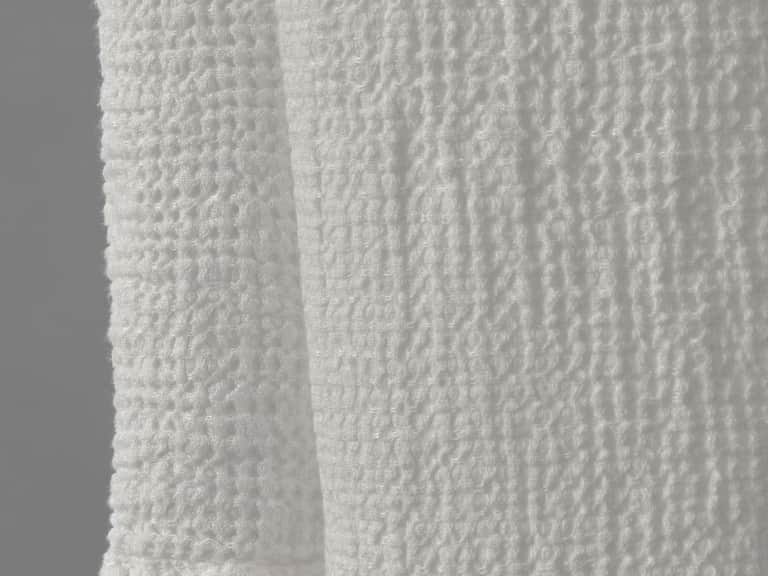
Compared with a smooth, tightly finished fabric, linen often has a more visible surface, with small variations in yarn and texture. These are not necessarily defects. They can reflect the character of the fiber and the construction. Linen is also commonly valued for allowing air to move through the cloth and for taking up moisture. In bedding, that can contribute to a less clammy feel for some people, though sleep comfort also depends on room temperature, humidity, mattress materials, sleepwear and individual preference.
A natural fiber is not automatically the best choice for every household, and “breathable” should not be read as a promise of a particular sleep temperature. Rather, it describes a material quality that may be relevant to a sleeper who finds dense or heat-retaining fabrics uncomfortable. The most useful test is the combination of construction and real-world use: how the cover feels against the skin, how it handles moisture, and whether its weight and texture suit the room.
The comfort equation: fiber, weave and finish
When bedding feels comfortable, it is tempting to credit a single feature. In reality, touch and performance emerge from several decisions working together. Fiber quality affects yarn strength and texture. Weave determines how yarns cross and how open or compact the fabric feels. Finishing can change softness, drape and surface character. Even a fabric made from the same fiber may feel quite different depending on those choices.
Breathability and moisture management
Linen’s open, breathable character is one reason it appears in bedding intended for year-round use. Air circulation and moisture movement can make a cover feel more comfortable during warm nights. The same bedding may still feel substantial when the room is cooler, depending on its weight and how it is layered. A duvet cover, for example, works alongside the insert beneath it; the insert, bedroom conditions and the sleeper’s own temperature preferences all matter.
Descriptions of linen sometimes present it as inherently cooling in summer and insulating in winter. A more measured reading is that linen can support a comfortable range of conditions, but it does not control the climate of a bedroom. If a sleeper regularly feels too warm, a lighter insert, fewer layers or better room ventilation may make as much difference as changing the cover.
Weight and drape
Fabric weight, commonly expressed in grams per square metre, gives a useful point of comparison between textiles. Naturepedic’s specified 185 gsm linen has a noticeable material presence while retaining the open, breathable character associated with linen. Weight alone cannot determine softness or durability, however. Yarn, weave, finishing and construction all contribute, and measurements are most useful when considered alongside the fabric description and care instructions.
Stone washing and the lived-in hand
A stone-washed finish is intended to give fabric a softer, more relaxed feel than an untreated surface. It can also create the casual drape many people associate with linen bedding. That finish shapes the initial experience, but it should not be confused with a guarantee that the fabric will never wrinkle or change with washing. Linen’s gently creased appearance is part of its character; those seeking a crisp, formally pressed bed may prefer a different textile or a more regular ironing routine.
Reading the sourcing story carefully
A useful product description traces more than the location where a finished item was assembled. In this case, the stated chain distinguishes between flax grown in France and linen made in India at a GOTS-certified organic facility. That information is more specific than a broad “European linen” label, because it identifies different stages of production rather than treating origin as one simple place.
The distinction matters. Fiber cultivation, spinning, weaving, dyeing, finishing and sewing may take place in different locations. A product page may provide some of these details and omit others. Readers who want to understand a textile’s provenance can look for clarity about each stage, while recognizing that a short description rarely contains a complete supply-chain map.
The bedding is described as GOTS certified. The Global Organic Textile Standard is a textile certification with criteria relating to organic fibers and processing. A certification can offer a structured basis for assessment, but it is important to check what the certificate applies to: the fiber, a facility, a particular product, or a broader production chain. Certification language should be read precisely, not treated as a blanket answer to every environmental or labor question.
The phrase “organic flax” also deserves context. It refers to how the agricultural fiber is sourced under the applicable standard; it does not, by itself, tell a reader how much energy production used, how far materials travelled, how workers were treated at every stage, or what will happen to the cover at the end of its useful life. Responsible evaluation is not a hunt for a single perfect label. It is a habit of asking what is documented, what remains unclear and which factors matter most to a household.
Care is part of a textile’s impact
A bed cover earns its place over time. The longer it remains useful, the less often it needs to be replaced. That makes everyday care more than a housekeeping detail: laundering, drying, storage and repair all influence how well a textile holds up. Linen is valued for strength, but no fabric is immune to unnecessary wear, harsh chemicals or excessive heat.
Naturepedic’s listed care guidance for its organic linen bedding is machine washing in warm water, tumble drying on low, warm ironing if desired and no bleach. The exact instructions on the item should always take priority, since care needs can differ by construction, color and finish. Following a maker’s guidance is a practical way to reduce avoidable damage and keep the fabric in good condition.
- Wash thoughtfully. Avoid washing a cover more often than its use requires. When laundering is needed, use the recommended cycle and temperature, and consider washing with similar colors.
- Use detergent with care. Harsh products and chlorine bleach can damage fibers or affect color. The listed instructions advise against bleach.
- Keep drying moderate. Low heat is specified for tumble drying. Removing bedding promptly can help limit deep creasing; line drying may be an option if the care label permits it.
- Iron only if you want to. Linen’s relaxed texture is often part of its appeal. Warm ironing is available as an option in the stated instructions, not a requirement for every household.
- Store it clean and dry. Air the cover fully before putting it away, and avoid long-term storage in damp conditions.
There is no need to pursue a perfectly uncreased finish if a softer, lived-in look is acceptable. Skipping unnecessary ironing can save time and avoid an extra step in the care routine. Conversely, a neat, smooth bed may be important to some households. The point is not to prescribe one aesthetic, but to choose a fabric and care pattern that people can sustain in ordinary life.
How to assess a bed cover before choosing
A considered purchase begins with use, not a marketing adjective. Someone who sleeps warm may prioritize a breathable weave and a lighter overall bed setup. A household with frequent laundry may care most about clear washing instructions and a fabric that can tolerate regular use. A person sensitive to texture may want to understand whether the linen is garment-washed or stone-washed, and whether the hand is crisp or relaxed.
A practical checklist
- Confirm the fiber composition: is the cover 100% linen, a blend, or another fabric?
- Look for the stated fabric weight and remember that it is one comparison point, not a complete measure of quality.
- Check how the fabric is finished and whether its expected texture suits your preferences.
- Trace the stated origins of the fiber and fabric separately where possible.
- Read certification claims carefully and identify what the certification covers.
- Review washing, drying and ironing instructions before deciding whether the routine fits your household.
- Consider construction details—such as closures, seams and corner ties—because they affect daily use as well as appearance.
For duvet covers in particular, practical details deserve close attention. The cover should fit the insert, stay in place, and have a closure that feels secure and manageable. Naturepedic’s described duvet sets include corner ties, which help hold a comforter in position. Before choosing any cover, verify its dimensions against the insert rather than relying only on a broad size label. A mismatch can make a good fabric frustrating to use.
Comfort is personal—and care is a design choice
The promise of a linen bed cover is not that it will feel the same to everyone. Some people like the dry, textured hand; others prefer a smoother cotton surface. Some welcome the relaxed creases; others would rather iron. Those differences are not failures of the fabric. They are reasons to understand a material before bringing it into a daily routine.
Naturepedic’s organic flax bedding makes a strong case for looking beyond the headline. Its stated French-grown organic flax, 185 gsm linen, stone-washed finish and GOTS-certified production facility provide tangible details about material and construction. The care guidance—warm machine wash, low tumble dry, optional warm iron and no bleach—helps define the work of keeping it in use. Together, those specifics are more useful than an undifferentiated promise of “natural comfort.”
The wider lesson applies to bedding of every kind: comfort is made by design, and longevity is shaped by use. Fiber tells part of the story; weave, finish, sourcing, fit and care tell the rest. A breathable textile can be a meaningful choice for a bedroom, but its value rests not only in how it feels on the first night. It rests in whether it continues to suit the sleeper, survives the laundry routine and earns years of ordinary use.
A quieter kind of quality
In a market crowded with claims, the clearest signal is often a precise one: what the fabric contains, where its stages of production occur, what a certification verifies and how the cover should be washed. These details do not remove every uncertainty, nor do they guarantee that a product is right for every person. They give consumers a firmer basis for comparison.
Organic flax linen offers a distinctive balance: a textured surface, a breathable construction and the potential to become more familiar with regular use. With realistic expectations and gentle, label-led care, it can serve as a durable layer in a considered bedroom. The best bed cover is ultimately not the one with the grandest claim. It is the one whose material, feel and upkeep make sense long after the packaging is gone.