Harbour Apron
Soft, durable linen apron with a roomy front pocket and comfy neck/waist ties. Garment-washed for a lived-in feel that lasts through busy days in kitchen or studio, keeping you cool, flexible, and ready for quick cleanup.
In a world increasingly crowded by fast fashion and disposable accessories, a linen bag stands as a quiet declaration: sustainability, craftsmanship, and thoughtful consumption. Linen, with its ancient roots and modern relevance, offers a material narrative that blends durability, breathability, and timeless aesthetic. This guide explores how to evaluate linen bags through the lens of ethics and sustainability—covering material purity, manufacturing practices, and brand transparency—so you can make purchases that align with your values and your everyday life.
From the flax field to the finish, every linen bag carries a lifecycle. Understanding that lifecycle helps shoppers discern products that are built to endure, support fair labor, and minimize environmental impact. We will draw on historical context, contemporary industry practices, and the voices of three influential figures from different eras who helped shape how we think about textiles, design, and responsible consumption.
Linen is a fiber drawn from the flax plant. Its appeal in bags lies in breathability, moisture-wicking properties, and durability. Unlike synthetic fibers, linen is biodegradable and tends to require fewer chemical treatments in many traditional manufacturing processes. Yet, not all linen is created equal. The environmental footprint of a linen bag is influenced by where the flax is grown, how fibers are processed, and the energy intensity of spinning, weaving, and finishing steps.
Key questions to ask about the material include:
Ethical linen is not just a material choice but an expression of a lifecycle that respects soil health, fair labor, and responsible resource use. When brands publish clear sourcing maps or supply chain disclosures, it signals a readiness to be held accountable for the full arc of the product—from field to finished bag.
The ethics of linen bags extend beyond the fibers to the factories that spin, weave, and assemble components. A truly sustainable linen bag is produced in facilities that prioritize safe working conditions, fair wages, reasonable hours, and traceability. Certification schemes and third-party audits help shoppers evaluate claims. While certifications are not a panacea, they offer verifiable signals about a brand’s commitments.
Consider these benchmarks when evaluating a bag’s production:
Bags that embrace circular design often feature modular components, reinforced seams, and replaceable hardware or linings. Such design choices reduce the need for complete replacements and align with a lifecycle that respects both people and planet.
Brand transparency translates to accessible information. Ethical brands publish sourcing dossiers, supplier lists, and factory certifications. They invite independent scrutiny and encourage questions from consumers. This openness empowers buyers to assess whether a product truly aligns with stated values rather than merely carrying a virtue-signaling label.
Practical indicators include:
A thoughtful buyer’s guide also asks about the brand’s broader ethics: community impact, how they treat workers across the supply chain, and whether the business model incentivizes sustainability (for example, longevity over disposability or the option to lease or repair rather than replace).
Linen bags come in a range of shapes, sizes, and finishes. Some designs emphasize rugged practicality—large pockets, reinforced seams, adjustable straps—while others favor refined minimalism, lighter textures, and elegant lines. Design should support longevity: durable hardware, secure closures, and fabrics that age gracefully with regular use.
In choosing a bag, a few considerations matter more than trendiness:
A bag that ages well is a small act of sustainability: fewer replacements, less waste, and a deeper relationship between the wearer and the item.
No discussion of textiles is complete without the influence of influential minds who framed our approach to material culture. Here are three figures from distinct time periods whose ideas resonate with the ethics of linen bags today.
Long before modern certifications, linen bag-makers embodied precision and durability. In guild economies and family workshops across Europe, flax was transformed into linen through careful steps—retting, spinning, weaving, and finishing. The attention paid to each stage built fabrics that endured use in daily life—from market stalls to monastic cloisters. The linen craftsman’s ethos—craft, care, and community—remains instructive for today’s ethical consumer: value is built not in shortcuts but in patient, transparent process.
As industrialization reshaped fabrics and production, designers began to ask what honesty in fashion looks like. A mid-20th-century mind would champion fabrics that perform—linen that breathes when a bag is worn all day, threads that resist wear, and closures that endure repeated use. This era pushed for transparency about weaving origins and labor conditions, laying groundwork for today’s demand that products disclose their journeys and stand the test of time.
Today’s advocates emphasize supplier transparency, evidence-backed sustainability metrics, and systems that repair rather than replace. The dialogue between consumer and brand—driven by data, lifecycle analyses, and third-party verification—transforms a simple bag into a responsible choice. This contemporary voice reminds us that information is the core of trust, and trust is the backbone of sustainable fashion.
To translate these ideas into everyday shopping, keep this concise checklist in your pocket or on your phone. It’s designed to help you assess a linen bag quickly without sacrificing depth:
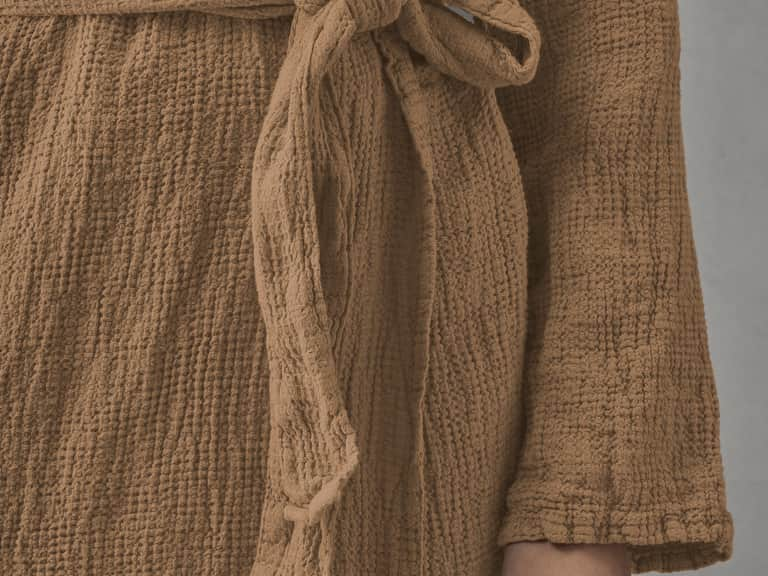
To ground these ideas in a real product, consider the Harbour Apron by Libeco as a case study in linen quality, durability, and responsible sourcing. The Harbour Apron is a sturdy linen garment-washed piece designed for frequent use in kitchens or studios. With 91% linen and 9% polyamide, it balances natural breathability with dependable wear. Its Belgian Linen label signals a commitment to a reputable European linen ecosystem, from European flax yarn to Belgium weaving. This apron’s construction—large front pocket, thoughtful ties at waist and neck—embodies function-focused design suited for a life of hands-on tasks, echoing the broader ethics of durability, repairability, and long-term use that ethical shoppers should seek in bags as well.
Linen garment-washed for a soft hand and durable wear. Belgian Linen label, European flax yarn. 91% linen, 9% polyamide. Large front pocket. Waist and neck ties.
100% organic linen, linen grown in Europe and woven in Portugal. Washed for a relaxed hand; machine wash cold; tumble dry low.
These examples highlight how a brand communicates material integrity and practical usability. While the Harbour Apron is a kitchen-focused article of clothing rather than a bag, the principles translate: trusted materials, transparent origin, and durable construction create products that align with ethical consumer goals. For linen bags, seek analogous cues—clear sourcing, durability in seams and hardware, and design ready for repair and long life.
Ethical linen bags are not just about a single attribute—fiber quality, factory conditions, and corporate accountability together paint a complete picture. A responsible choice reflects a fabric that wears well, a supply chain that respects workers, and a company that stands by its statements with verifiable details. In a marketplace that often promotes instant gratification, the buyer’s guide becomes a counterweight: a call to deliberate, informed, and values-aligned purchasing.
As we navigate fashion’s evolving ethical landscape, linen bags offer a tangible way to align daily habits with broader environmental and social goals. They invite us to consider the journey of a bag from flax field to finished item, the ethics embedded in every seam, and the long arc of a purchase that can outlive fleeting trends.
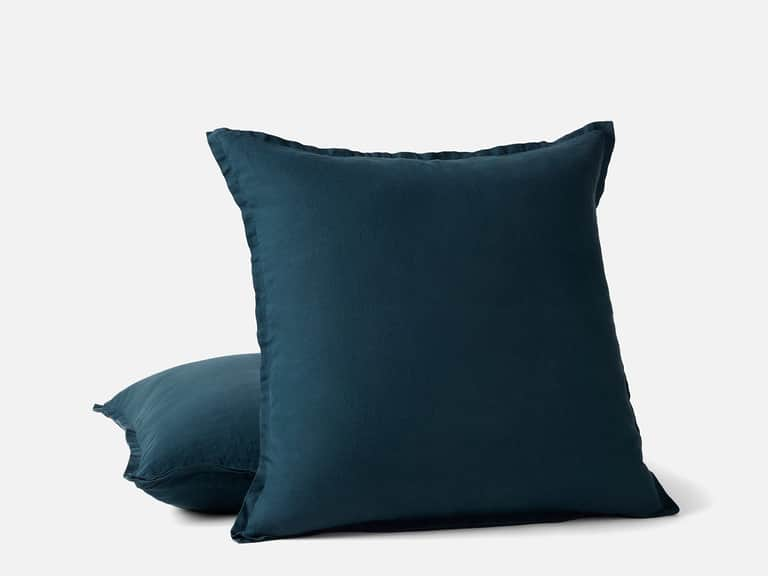
Source note: This guide references general industry practices and historical perspectives on linen, with practical considerations for modern ethical brands. For readers interested in specific products, examples such as Harbour Apron and Organic Relaxed Linen Decorative Pillow Cover illustrate how material honesty and durable design manifest in real-world goods.