Sustainable Bedding
How to Choose a Lower-Impact Duvet Cover for Everyday Use
A duvet cover is asked to do two jobs at once: make a bed feel inviting and protect the insert beneath it. The better choice is not necessarily the one with the most reassuring label. Fiber, processing, construction, care and years of useful service all shape its footprint.
A duvet cover seems like a quiet purchase. It arrives folded, goes over a comforter, and becomes part of the room’s background. Yet it is a textile made through a chain of decisions: what was grown, how it was processed and woven, where each stage took place, how the finished fabric was dyed, and how often it will need washing or replacement. Those details matter more than a single appealing word on a label.
The most responsible cover is not automatically the one made from a natural fiber, the one with the highest price, or the one described as “eco-friendly.” It is the cover whose claims can be understood, whose construction suits everyday use, and whose owner can care for it well enough to keep it in service. That makes choosing a lower-impact duvet cover less like following a trend and more like asking a series of practical questions.
Begin with the material—not the marketing
Start by checking the fiber composition. A label that says “linen” may describe a fabric made entirely from flax, or a blend that includes other fibers. Cotton, linen, polyester and mixed-fiber fabrics each have different properties and production pathways. A clear percentage breakdown is a better starting point than broad language such as “natural,” “conscious” or “earth-friendly.”
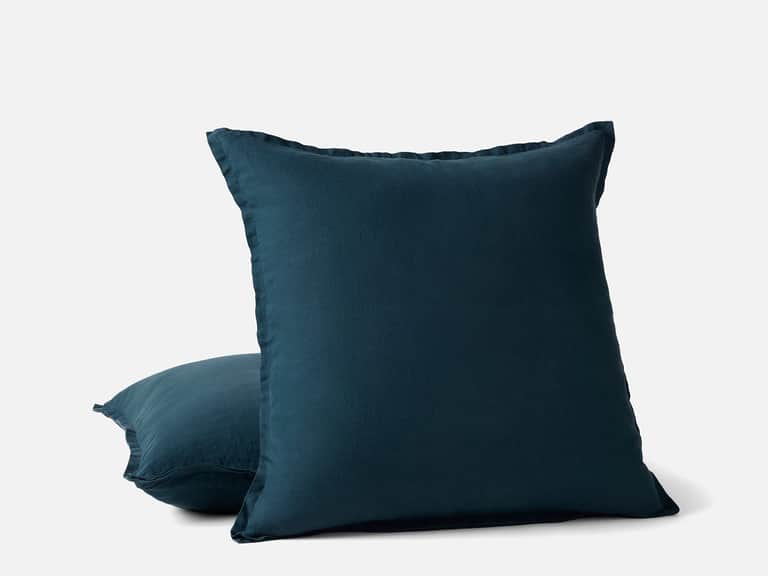
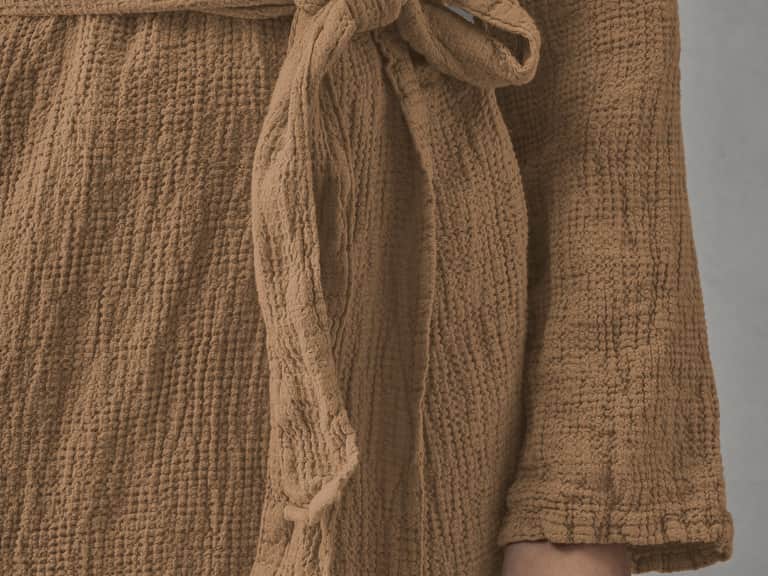
Linen is made from flax. Its appeal is partly tactile: the fabric has a distinctive texture and can soften with use. It is often chosen for breathability and a relaxed appearance, though the feel varies with yarn, weave, weight and finishing. Those qualities may make linen a comfortable option for some sleepers and rooms, but they do not, by themselves, prove that a particular cover has a low environmental impact.
Cotton covers can also be durable and comfortable, with performance shaped by the fiber, weave and finishing. Recycled or organic claims may be relevant, but they need context: what material is certified or recycled, how much of the finished product it represents, and what standard supports the statement? Polyester and other synthetics may offer particular performance advantages, yet their fossil-based origins and behavior at the end of use are considerations worth weighing. Blends can combine useful properties, but may complicate repair, recycling or other end-of-life options.
There is no simple fabric ranking that works for every household. A cover that performs well for years and is washed sensibly may be a more considered choice than one with an attractive material story that wears out quickly or demands care the owner cannot maintain. The useful question is not merely, “What is it made of?” It is, “How is this particular fabric likely to work in my life?”
Trace the fiber’s journey
A credible product description should help you follow the material beyond the final label. For linen, that means looking for information about where the flax was grown and where it was spun, woven, dyed and sewn. For cotton or a blend, the same principle applies: seek specifics about fiber sourcing and manufacturing rather than assuming that a country-of-origin statement covers every stage.
“Made in” can be useful, but it rarely tells the whole story. A country listed as the place of final assembly may not be where the fiber was grown or the fabric woven. Some brands explain these steps separately; others offer only a broad origin statement. When information is missing, that absence does not automatically prove wrongdoing. It does mean a shopper has less evidence with which to assess the claim.
Transparency is most useful when it is concrete and proportionate. A brand might identify a growing region, a mill or a production stage, and explain what is known about the supply chain. It may also distinguish verified facts from goals or aspirations. Clear limits are more informative than sweeping promises. Be cautious when a product is presented as “sustainable” without explaining what that word means in this specific case.
Read certifications with care
Third-party certifications can help make certain claims easier to evaluate. Depending on the standard, a certification may address organic fiber production, restricted chemical use, processing requirements or other parts of a textile supply chain. But a certification is not a universal guarantee of low impact, and different programs cover different issues.
Look for the name of the standard, the scope of the claim and, where available, details that allow it to be checked. Does the certification apply to the fiber, the finished fabric, the manufacturing facility, or the complete product? Does it relate to organic sourcing, processing, labor conditions, or another defined area? A logo without a clear explanation can be hard to interpret.
The same care applies to words such as “organic,” “responsibly made” and “low-impact.” Ask what has been independently verified and what is the brand’s own description. Certifications can add useful evidence, but they should be considered alongside durability, maintenance and sourcing information—not as a substitute for them.
Construction determines whether a cover can last
A duvet cover lives a demanding domestic life. It is pulled over an insert, shifted during sleep, removed for laundering and handled again when it goes back on the bed. The construction should be suited to that cycle. Look for seams that appear well finished, a weave appropriate to the intended use, and a closure that feels secure rather than flimsy.
Fabric weight can help set expectations, although it is not a quality score by itself. A heavier cloth may feel substantial, while a lighter one may drape more easily or suit a warmer room. Weight should be considered together with fiber, weave, intended climate and personal comfort. A dense fabric that feels too warm or cumbersome may be used less happily; an especially light one may not suit a household seeking a more robust everyday cover.
Inspect the closure design, too. Buttons, ties, snaps and zippers each have potential advantages and points of wear. A closure should keep the insert in place and remain practical to open for washing. If a component fails, consider whether it can be replaced or repaired. A missing button or a small seam opening need not be a reason to discard an otherwise usable cover.
Fit matters because a cover that constantly slips, twists or strains at the corners can become frustrating and wear unevenly. Check the stated dimensions against the duvet insert rather than relying only on labels such as “queen” or “king.” Sizing conventions can vary, and a small mismatch may affect how the bed looks and feels.
Choose for comfort you will actually use
A sustainable bedding decision must also work as bedding. Think about the room’s temperature, your sleeping habits and the feel you prefer against the skin. Linen’s textured, breathable character appeals to many people, but not everyone wants that texture. Some prefer the smoothness of cotton, while others value a blend for a particular balance of softness and easy handling.
If possible, assess the fabric in person or order from a seller with a clear return policy. A product description cannot fully communicate how a weave feels, how much it drapes or how its weight suits a particular bed. If you already own sheets or pillowcases that you enjoy, consider whether the cover is likely to work with them, both in feel and in laundering needs.
Color and design also influence longevity in a less obvious way. A restrained, versatile design may remain welcome as tastes change, while a color chosen because it suits the room now may lead to replacement sooner than expected. This is not a rule against expressive interiors. It is an invitation to choose something you expect to enjoy through ordinary shifts in mood and décor.
Care is part of the footprint
A cover’s impact does not stop when it reaches the bedroom. Washing, drying and ironing use water, energy and household products, while repeated laundering gradually affects a textile’s fibers and finish. Following the care label can help protect both the fabric and its useful life. Avoid assuming that every linen cover needs the same treatment: finishes and construction differ, so the manufacturer’s instructions should guide routine care.
Wash only when needed, rather than treating frequent laundering as a measure of cleanliness. When a wash is due, use an appropriate cycle and temperature, avoid overloading the machine, and choose a detergent suited to the garment. Excessive heat, harsh bleaching and aggressive washing can weaken some fabrics or affect color. Tumble drying, line drying and ironing each have trade-offs in convenience, energy use and finish; the right routine is the one that follows the care instructions and is realistic for your household.
For linen, many care labels recommend gentle handling and moderate heat. Some linen fabrics can become softer with washing, while others may need more cautious treatment because of their finish or construction. Do not interpret a relaxed, wrinkled appearance as damage unless there are signs of actual wear. Pressing is a matter of preference, not an environmental obligation.
Repair before replacing
A small repair can extend the life of a duvet cover. A loose seam, a detached button or a minor tear may be manageable with basic sewing or help from a local repair service. Addressing a problem early can prevent it from spreading. Keep spare buttons or compatible closures when they are provided, and store the cover clean and dry when it is not in use.
If a cover no longer fits your bedroom, consider whether it can serve another purpose before it leaves the home. Reuse possibilities depend on its condition and fabric, but a sound cover might be passed on, repurposed or donated where accepted. Recycling options vary considerably by location and fiber blend, so check local services rather than assuming that any textile collection can process every item.
The goal is not to keep an unusable object forever. It is to avoid treating replacement as the first response to ordinary wear, a small defect or a change in taste. A textile used for many years spreads the resources involved in making it across a longer period of service.
A practical checklist before buying
Before choosing a duvet cover, pause over a few questions. The answers need not be perfect; they should be clear enough to support a considered decision.
- Is the fiber composition listed in percentages, including any synthetic or blended fibers?
- Does the description distinguish where the fiber was grown from where the fabric was woven and the cover assembled?
- Are organic, environmental or social claims supported by a named certification or specific documentation?
- Does the fabric weight and weave suit your climate, comfort preferences and expected everyday use?
- Are the seams, closure and fit likely to hold up through regular use and washing?
- Can you follow the care instructions with the laundry routine you actually have?
- Would you be willing to repair a small problem and keep the cover for years?
The value of the long view
The bedding market often speaks in absolutes: natural is better, organic is enough, linen lasts forever. Real life is less tidy. A fiber’s origin matters, but so do processing and performance. A certification can provide evidence, but only within its scope. A beautiful cover is not a responsible choice if it is uncomfortable, difficult to care for or quickly discarded.
A lower-impact duvet cover is best understood as a durable household textile rather than a moral badge. Choose one with a composition and supply-chain story you can assess. Favor construction that can withstand regular use. Buy a size that fits your insert, follow the care label, and repair what can reasonably be repaired. If the product description is vague, ask the seller for specifics or continue looking.
That approach may not produce a perfect answer. It does produce a better-informed one. The most meaningful improvement is often not a dramatic material swap but a longer relationship with a well-chosen object: fewer replacements, less needless damage, and more years of useful comfort from the cover already on the bed.